
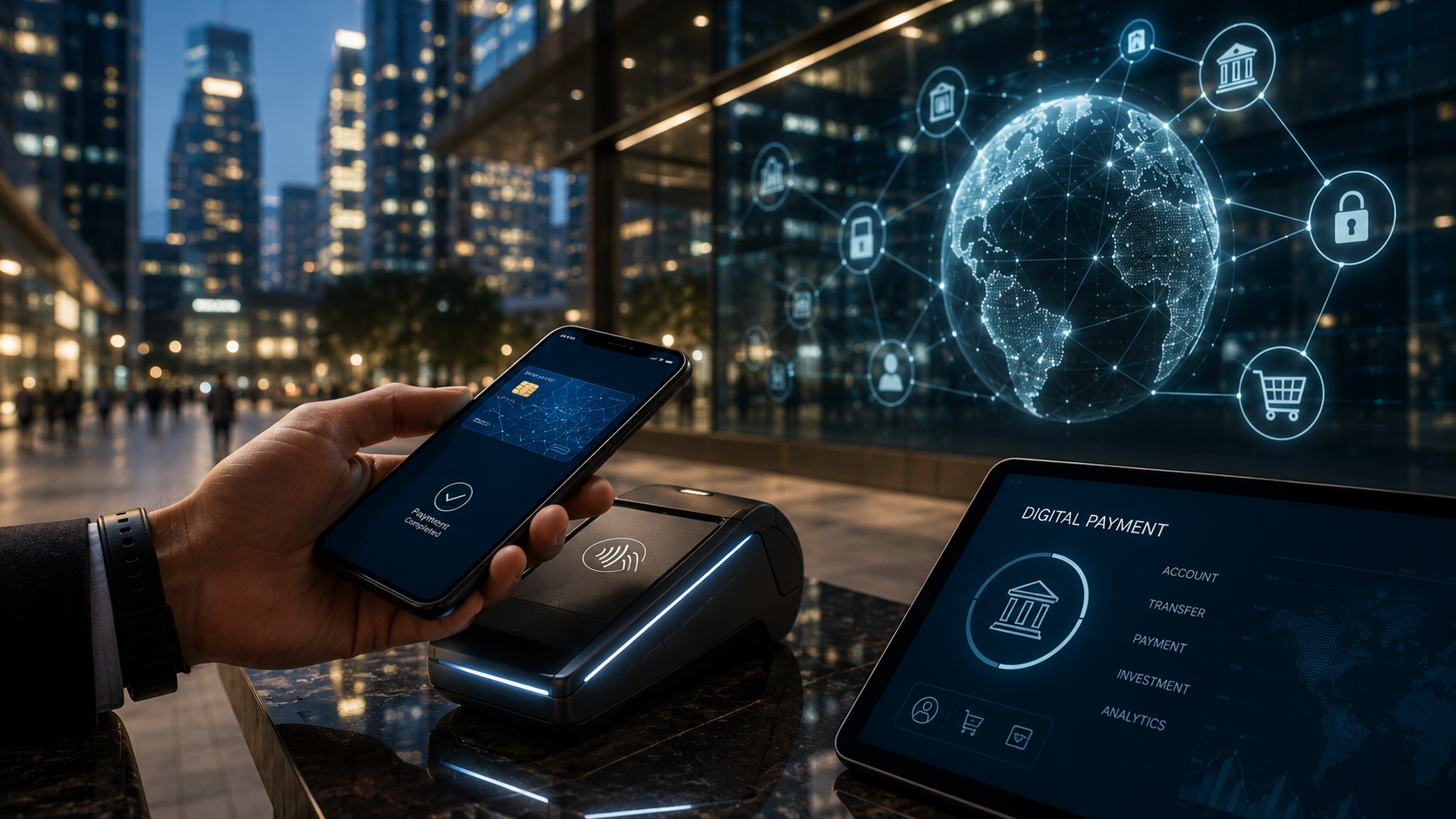

Discover how Digital Payments are transforming financial services, improving transaction speed, enhancing security, and supporting global commerce.
Digital Payments and Financial Innovation
The way people and businesses exchange money has changed dramatically over the past decade. Advances in technology have made transactions faster, more convenient, and increasingly accessible across the world. From mobile wallets and contactless cards to online banking and digital payment platforms, financial technology continues to reshape how payments are made and received.
Digital Payments have become an essential part of modern commerce, supporting businesses of all sizes while improving customer convenience and operational efficiency. As financial innovation continues to evolve, organizations that embrace secure and efficient payment technologies are better positioned to meet changing consumer expectations and participate in the growing digital economy.
Understanding how digital payments work and the innovations driving this transformation can help businesses and consumers make more informed financial decisions.
What Are Digital Payments?
Digital Payments refer to financial transactions completed electronically rather than using physical cash. These transactions are processed through digital platforms, financial institutions, payment networks, or fintech solutions.
Common forms of digital payments include:
- Mobile wallets
- Online bank transfers
- Debit and credit card payments
- Contactless payments
- QR code payments
- Peer-to-peer payment services
- Digital business transactions
Electronic payment methods continue to expand as technology becomes more integrated into daily life.
Why Digital Payments Matter
The growing popularity of digital payment solutions is driven by convenience, speed, and accessibility.
Businesses benefit through:
- Faster payment processing
- Improved cash flow
- Reduced cash handling
- Better transaction tracking
- Expanded customer payment options
Consumers benefit from simplified purchasing experiences, greater flexibility, and the ability to complete transactions from almost anywhere.
The Rise of Mobile Payments
Smartphones have become an important part of financial transactions.
Mobile payment solutions allow users to:
- Pay in stores
- Shop online
- Transfer money
- Pay utility bills
- Purchase subscriptions
- Send funds to family and friends
The continued growth of smartphones has contributed significantly to the widespread adoption of Digital Payments worldwide.
Contactless Payment Technology
Contactless payments have become increasingly common in retail environments.
Instead of inserting a card or handling cash, customers simply tap their payment device near a compatible payment terminal.
Benefits include:
- Faster checkout
- Reduced physical contact
- Improved convenience
- Efficient customer experiences
Many businesses now offer contactless payment options as part of their standard payment infrastructure.
Growth of E-Commerce
Online shopping has expanded rapidly across global markets.
E-commerce depends heavily on reliable Digital Payments to support secure customer transactions.
Businesses operating online often integrate multiple payment methods to accommodate customer preferences and improve the overall shopping experience.
Flexible payment options can also help increase customer satisfaction and reduce abandoned purchases.
Financial Innovation and Fintech
Financial technology companies continue developing new payment solutions that simplify financial transactions.
Examples include:
- Digital wallets
- Payment gateways
- Buy-now-pay-later services
- Cross-border payment solutions
- Business payment automation
- Digital banking platforms
Innovation continues improving accessibility, efficiency, and financial inclusion for businesses and consumers alike.
Payment Security
Security remains one of the most important considerations in digital financial services.
Organizations should implement measures such as:
- Multi-factor authentication
- Data encryption
- Fraud detection systems
- Secure payment gateways
- Regular security monitoring
Strong security practices help protect financial information while increasing customer confidence in electronic transactions.
Cross-Border Payments
International commerce increasingly depends on efficient global payment solutions.
Modern digital payment technologies support:
- International business transactions
- Online marketplaces
- Global service providers
- International freelancers
- Cross-border commerce
Improved payment infrastructure reduces transaction times while simplifying international financial operations.
Business Benefits of Digital Payments
Businesses adopting digital payment systems often experience operational improvements.
Key benefits include:
- Faster transaction processing
- Improved financial reporting
- Automated payment reconciliation
- Better customer experiences
- Reduced administrative work
- Enhanced record keeping
These efficiencies allow businesses to focus more on growth and customer service.
Consumer Expectations
Modern consumers increasingly expect businesses to provide multiple payment options.
Preferred methods may include:
- Mobile wallets
- Contactless cards
- Online banking
- QR code payments
- Subscription billing
Offering flexible payment choices helps businesses remain competitive while improving customer satisfaction.
Integration with Business Systems
Many payment platforms now integrate with:
- Accounting software
- Customer relationship management systems
- Inventory management
- E-commerce platforms
- Financial reporting tools
Integrated systems reduce manual work while improving operational efficiency and financial accuracy.
Artificial Intelligence in Payments
Artificial intelligence is becoming an important part of payment technology.
AI supports:
- Fraud detection
- Transaction monitoring
- Customer verification
- Spending analysis
- Personalized financial recommendations
As AI technology advances, payment systems are expected to become even more secure and efficient.
Regulatory Compliance
Digital financial services operate within regulatory frameworks designed to protect consumers and financial institutions.
Businesses should remain informed about:
- Data privacy requirements
- Payment regulations
- Financial reporting obligations
- Consumer protection standards
Maintaining compliance supports trust while reducing legal and operational risks.
The Future of Digital Payments
Innovation continues transforming financial services at a rapid pace.
Future developments may include:
- Greater financial automation
- Expanded mobile payment adoption
- Improved cross-border payment networks
- Enhanced payment security
- Increased use of artificial intelligence
- Greater integration with digital commerce
Businesses that monitor these developments are better prepared to adapt as payment technologies evolve.
Building Trust Through Secure Payments
Customer trust is essential in digital commerce.
Organizations can strengthen confidence by:
- Protecting customer information
- Providing transparent payment processes
- Offering secure payment methods
- Responding quickly to payment issues
Reliable payment experiences encourage customer loyalty and support long-term business growth.
Conclusion
Digital Payments have transformed the way consumers and businesses exchange value, making financial transactions faster, more convenient, and increasingly secure. From mobile wallets and contactless payments to fintech innovation and AI-powered fraud detection, digital payment technologies continue to reshape the global economy. Businesses that adopt modern payment solutions, maintain strong security practices, and stay informed about financial innovation are better positioned to improve customer experiences and support sustainable growth in an increasingly digital world.
FAQ
1. What are Digital Payments?
Digital Payments are electronic financial transactions completed without using physical cash, often through mobile devices, payment cards, online banking, or digital payment platforms.
2. Why are Digital Payments important?
They improve transaction speed, convenience, financial accessibility, operational efficiency, and customer experiences.
3. How do businesses benefit from Digital Payments?
Businesses benefit through faster processing, improved cash flow, better financial reporting, reduced manual work, and increased customer satisfaction.
4. Are Digital Payments secure?
Most modern digital payment systems use encryption, authentication, fraud detection, and other security technologies to help protect financial transactions.
5. What is the future of Digital Payments?
The future of Digital Payments includes greater mobile adoption, artificial intelligence, improved payment security, enhanced cross-border transactions, and continued financial innovation driven by fintech technologies.
